مدونة جديدة
مدفوعًا بتزايد تبني مركبات الطاقة الجديدة (المركبات الكهربائية) والأهداف العالمية "المزدوجة الكربونية"، تخفيف وزن السيارات أصبح ذلك ضرورياً لتقليل استهلاك الطاقة، وزيادة مدى القيادة، وتحسين الأداء العام للمركبة. مكونات السيارات تُعدّ المكونات، باعتبارها عوامل رئيسية في وزن المركبة، من العوامل التي تحدد بشكل مباشر فعالية عملية تخفيف الوزن. ويواجه قولبة الحقن التقليدية قيودًا في توافق المواد ودقة القولبة، مما يجعل من الصعب تحقيق هدف تخفيف الوزن. "وزن أقل، نفس القوة" .
التطورات الحديثة - مثل قولبة الحقن بمساعدة الغاز (GAIM) ، قولبة الحقن الرغوي ذو الخلايا الدقيقة (MIM) ، و قولبة الحقن المقواة بالألياف الطويلة (LFI / LFT) تتيح هذه الابتكارات الاستخدام الأمثل للمواد، والتصميم الهيكلي الأمثل، والتحكم الدقيق في الأداء. كما توفر دعماً قوياً لتقليل وزن المكونات، وتسرّع من ترقيات تخفيف وزن السيارات، سواء التقليدية منها أو الكهربائية.
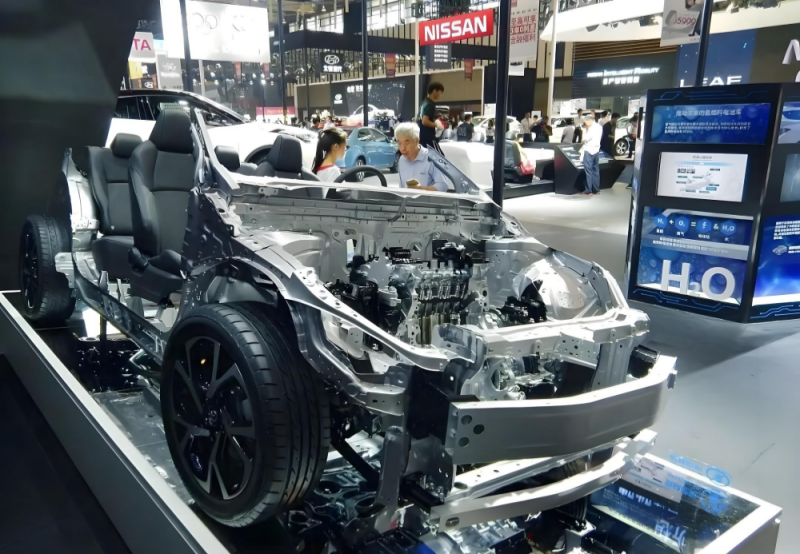
تُحقق تقنيات قولبة الحقن المتقدمة الآن طفرات في جميع المجالات المواد، والهيكل، وكفاءة التصنيع ، لتشكيل نظام تقني أساسي لمكونات السيارات خفيفة الوزن.
قولبة الحقن بمساعدة الغاز (GAIM) يقوم بحقن غاز خامل عالي الضغط في البلاستيك المنصهر أثناء عملية التشكيل، مما يؤدي إلى هياكل داخلية مجوفة المكونات الداخلية. وهذا يسمح بـ توفير في المواد بنسبة 15%–30% و انخفاض وزن المكونات بنسبة 20٪ - 40٪ مع الحفاظ على جودة السطح والسلامة الهيكلية. يُعدّ نظام GAIM مناسبًا بشكل خاص لـ أجزاء كبيرة ذات جدران رقيقة مثل إطارات لوحة العدادات، والألواح الداخلية للأبواب، والمصدات. يتجنب هذا التصميم العيوب الشائعة في القوالب الصلبة مثل علامات الانكماش والتشوه، ويتيح تقليل الوزن بدقة من خلال تصميم الهيكل المجوف، ويقلل من ضغط التشكيل وقوة التثبيت، وبالتالي يخفض... استهلاك الطاقة للمعدات .
قولبة الحقن الرغوي ذو الخلايا الدقيقة (MIM) يستخدم الغازات فوق الحرجة (ثاني أكسيد الكربون أو النيتروجين) كعوامل رغوية لتوليد فقاعات دقيقة متجانسة داخل البوليمر أثناء عملية التشكيل. قد تشغل الفقاعات حيزًا داخل البوليمر. 10%–30% من الحجم ، مما يتيح انخفاض الوزن بنسبة 10%–25% من الأجزاء. بالمقارنة مع قولبة الحقن التقليدية، توفر المكونات المقولبة بالخلايا الدقيقة توفيرًا كبيرًا في الوزن، ومقاومة محسّنة للإجهاد، وأداءً معززًا في مجال الضوضاء والاهتزازات - كما تُظهر الاختبارات تزداد قوة التحمل بنسبة تزيد عن 20% ، و ينخفض ضجيج الاهتزاز بمقدار 15-20 ديسيبل وهذا ما يجعل هذه الطريقة مثالية للأجزاء الحساسة مثل أغلفة حزم البطاريات، ودعامات المقاعد، وأغلفة التروس. بالإضافة إلى ذلك، تقلل تقنية حقن المعادن بالحقن (MIM) من انكماش المعدن المنصهر، وتعزز دقة الأبعاد، وتقلل من نفايات ما بعد المعالجة، مما يعزز الإنتاجية الإجمالية. كفاءة الإنتاج .
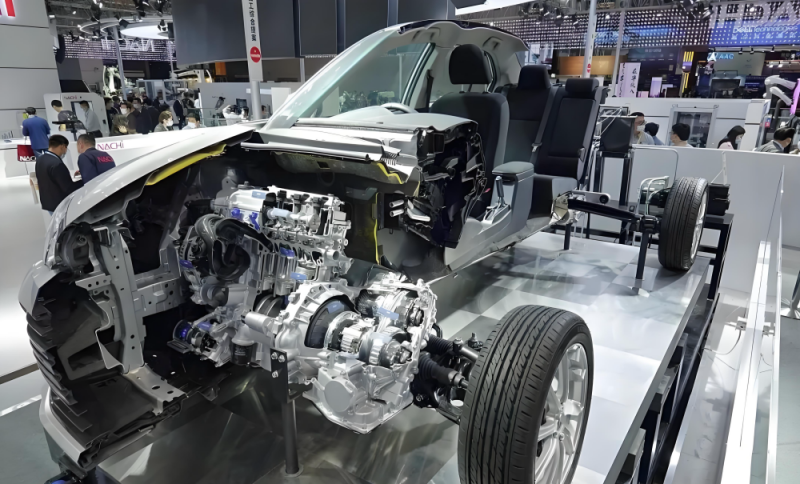
قولبة الحقن المقواة بالألياف الطويلة (LFI / LFT) يجمع ألياف زجاجية أو كربونية بقطر 6-25 مم باستخدام راتنجات حرارية (PP، PA، TPU، إلخ) باستخدام معدات حقن مخصصة. هذا النهج يحسن قوة نوعية بنسبة 30%–50% بالمقارنة مع الأجزاء التقليدية المقواة بالحقن والمعززة بالألياف القصيرة. في ظل متطلبات قوة مكافئة، يمكن للمكونات المعززة بالألياف الطويلة أن تقطع استهلاك المواد بنسبة 20%–30% وتقليل زيادة الوزن بنسبة 15%–25% ، مع تعزيز كبير مقاومة الصدمات والاستقرار الأبعاد تُعدّ تقنية الألياف الرقيقة (LFT) مناسبة للغاية للأجزاء الهيكلية الحاملة للأحمال، مثل واقيات الهيكل، ومكونات نظام التعليق، وأقواس حزم البطاريات. وتكمن ميزتها الأساسية في الحفاظ على سلامة الألياف أثناء عملية التشكيل، مما يُتيح الاستفادة الكاملة من تقوية الألياف والتغلب على قيود تقليل الوزن التي تُعاني منها الأجزاء التقليدية المصنوعة من الألياف القصيرة.
لقد حقق التطبيق واسع النطاق لتقنيات قولبة الحقن المتقدمة هذه بالفعل وفورات حقيقية في وزن المكونات الأساسية للسيارات، مما أدى إلى تحسين الأداء العام للمركبة. في قطاع السيارات الكهربائية، الرغوة ذات الخلايا الدقيقة أغلفة حزم البطاريات منشار يصل إلى انخفاض الوزن بنسبة 22% مع تحسين مقاومة الصدمات بنسبة 25%، مما يعزز سلامة البطارية بشكل فعال. معزز بألياف طويلة واقيات الهيكل وزن أقل بنسبة 55% من قطع الصلب المماثلة توفر هذه التقنية مقاومة فائقة للتآكل، مما يقلل من استهلاك الطاقة التشغيلية وتكاليف الصيانة. بالنسبة لمركبات الاحتراق الداخلي، يتم استخدام تقنية التشكيل بالغاز. إطارات لوحة العدادات مشروع انخفاض الوزن بنسبة 35% مع تقنية القولبة المتكاملة التي تقلل عدد الأجزاء وتحسن الاستقرار الهيكلي. رغوة دقيقة الخلايا الألواح الداخلية للأبواب أدرك انخفاض الوزن بنسبة 28% وعزل صوتي أفضل، مما يحسن راحة الركاب.
يُساهم الابتكار المستمر في تقنيات التشكيل في توسيع نطاق تطبيقات التشكيل بالحقن المتقدم، مما يوفر دعماً متنوعاً لتخفيف وزن السيارات. وبالنظر إلى المستقبل، فإن دمج قولبة الحقن الذكية و تقنية التوأم الرقمي سيمكن ذلك من مراقبة العمليات في الوقت الفعلي والتحكم الدقيق في المعلمات، مما يعزز الدقة البُعدية وضمان فقدان الوزن بشكل مستمر. الاستخدام المشترك لـ الراتنجات الحيوية / القابلة للتحلل ستساهم عمليات التشكيل المتقدمة في تعزيز كل من تقليل الوزن والاستدامة. ومن المتوقع أن يحقق التهجين متعدد العمليات (مثل التشكيل بمساعدة الغاز + التشكيل الرغوي الميكروي، والتقوية بالألياف الطويلة + التشكيل الرغوي الهيكلي) طفرات متعددة الأبعاد في "خفيف الوزن + متين + متكامل وظيفياً" وتلبية متطلبات مكونات السيارات عالية الجودة.
تابعنا :


-- الحصول على التحديثات مع أحدث المواضيع

 البريد الإلكتروني
 العربية
 English
 français
 Deutsch
 русский
 italiano
 español
 português
 日本語
日本語 한국의
한국의 中文
中文