مدونة جديدة
في المناقشات حول «استبدال الفولاذ بالبلاستيك»، غالبًا ما يتم تجاهل مفهوم بالغ الأهمية: لا ينبغي الحكم على أداء المواد بالقيم المطلقة وحدها
السؤال الحقيقي ليس "أي مادة أقوى؟"، بل: في ظل نفس قيود الوزن، أي مادة توفر قدرة تحمل أعلى وصلابة أكبر؟
هذا هو المكان بالضبط القوة النوعية و الصلابة النوعية تصبح ضرورية
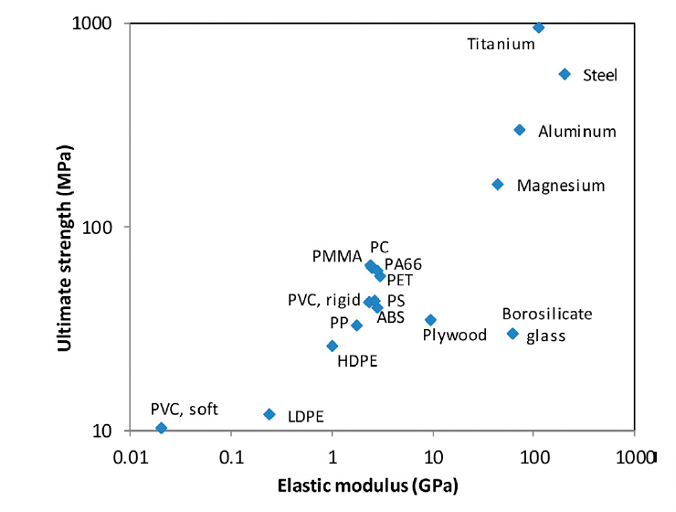
يصل الفولاذ عادةً إلى 400-1000 ميجا باسكال ، بينما تكون المواد البلاستيكية الهندسية عادةً 100-200 ميجا باسكال للوهلة الأولى، يبدو أنهما غير قابلين للمقارنة.
ومع ذلك، عندما يتم تطبيع القوة بالكثافة، تتغير المقارنة تمامًا
أقصى إجهاد يمكن أن يتحمله الجسم لكل وحدة وزن. وهو يحدد قدرة تحمل الأحمال تحت نفس الكتلة.
الصلابة التي توفرها المادة لكل وحدة وزن. وهي تتحكم في التشوه تحت الحمل، وخاصة في الأقواس والهياكل والإطارات.
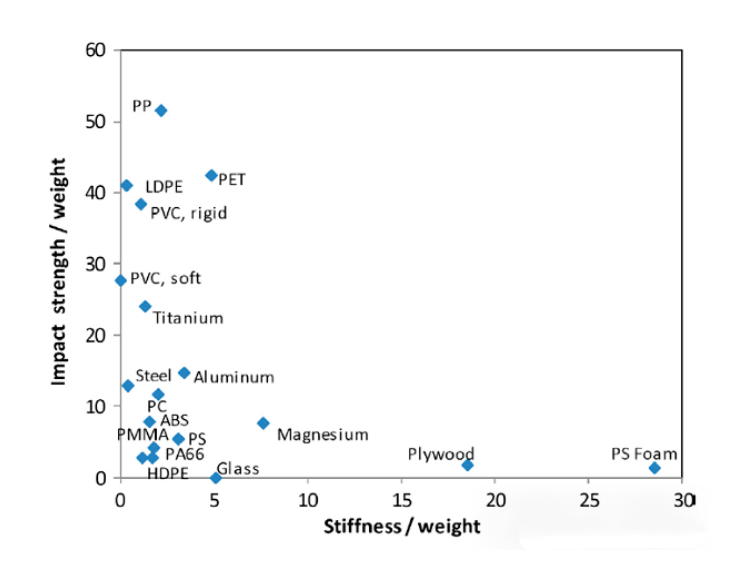
تقريبًا تمدد حجمي بمقدار 6 أضعاف يسمح بالأضلاع والتعزيزات وعزوم القصور الذاتي الأعلى
النتيجة: صلابة وقوة مماثلة مع تخفيض في الوزن بنسبة 60-70% .
إن جوهر "استبدال البلاستيك بالفولاذ" ليس التقليد، بل تحقيق توازن أفضل بين الأداء المحدد في ظل تصميم مقيد بالوزن.
تابعنا :


-- الحصول على التحديثات مع أحدث المواضيع

 البريد الإلكتروني
 العربية
 English
 français
 Deutsch
 русский
 italiano
 español
 português
 日本語
日本語 한국의
한국의 中文
中文