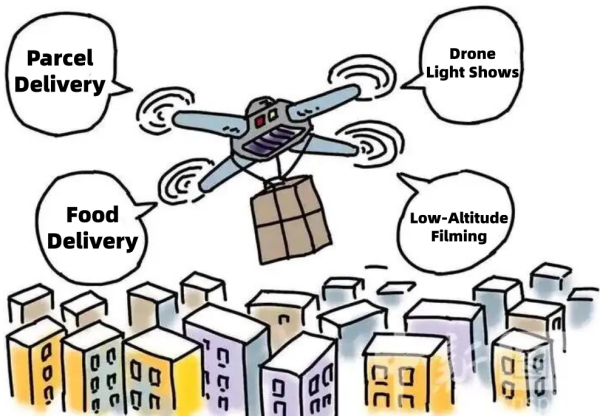
في عام 2026، يدخل الاقتصاد منخفض الارتفاع مرحلة مهمة مدفوعة بالسياسات الداعمة، مما يرسخ مكانته كصناعة استراتيجية ركيزة جديدة.
وراء تحول هذا السوق الذي تبلغ قيمته تريليونات اليوان يكمن عامل أساسي يحدد حدود الأداء والنجاح التجاري للطائرات من الجيل التالي — المواد المتقدمة. وتشير تحليلات الصناعة إلى أن المواد المتقدمة تمثل حاليًا نحو 30%–50% من تكاليف مواد الطائرات. ومع توسع الاقتصاد منخفض الارتفاع إلى ما يتجاوز حجم سوق يبلغ تريليون يوان، من المتوقع أن يتجاوز الطلب على المواد المتقدمة 500 مليار يوان، مما يخلق فرصًا كبيرة لمواد المركبات عالية الأداء.
1. تخفيف الوزن: منافسة تُقاس بكل غرام
بالنسبة للطائرات منخفضة الارتفاع، يُعد الوزن "المحاسب" الأكثر صرامة. بخلاف الطائرات التقليدية التي تعمل بالوقود، تعتمد الطائرات الكهربائية منخفضة الارتفاع على البطاريات لتوفير الطاقة.
كل كيلوغرام إضافي يعني انخفاض مدى الطيران وقدرة أقل على حمل الحمولة. وغالبًا ما تشير الصناعة إلى مبدأ أن "كل كيلوغرام يتم توفيره يمكن أن يضيف 10 كيلومترات إلى المدى". لذلك، فإن كل تخفيض في وزن جسم الطائرة والأجنحة والدوارات يمكن أن يتحول إلى مسافات طيران أطول، أو قدرة حمولة أعلى، أو هوامش أمان أكبر.
مركبات ألياف الكربونتُعد الحل النهائي لهذا التحدي. فبكثافة تبلغ نحو ربع كثافة الفولاذ فقط، مع توفير قوة شد تزيد على تسعة أضعافها، يمكن لمركبات ألياف الكربون تقليل وزن الطائرات بشكل كبير عند استبدال المواد المعدنية التقليدية. وبالمقارنة مع سبائك الألومنيوم التقليدية، يمكن لمركبات ألياف الكربون تحقيق خفض في الوزن الهيكلي بنسبة 20%–40%. وبفضل مزيجها المتميز من الخفة والقوة العالية والصلابة العالية ومقاومة التآكل ومقاومة التعب، أصبحت مركبات ألياف الكربون خيارًا مثاليًا لمكونات هياكل eVTOL وغالبًا ما تُسمى "الذهب الأسود".
في طائرات eVTOL (الطائرات الكهربائية ذات الإقلاع والهبوط العمودي)، تُستخدم المواد المركبة بشكل رئيسي في المكونات الهيكلية وأنظمة الدفع، وتمثل نحو 75%–80% من إجمالي هيكل الطائرة. وتشكل المواد المركبة أكثر من 70% من التركيب الهيكلي لطائرة eVTOL، حيث تمثل مركبات ألياف الكربون حوالي 90% من المواد المركبة المستخدمة. وتُطبق على نطاق واسع في الهياكل الأساسية والثانوية الحاملة للأحمال والمكونات الوظيفية، بما في ذلك هياكل الطائرات والدوارات والأجنحة وحاويات البطاريات وشفرات الدفع والمقاعد والحوامل المختلفة.
اعتمادًا على حجم الطائرة ومتطلبات الحمولة، قد تحتاج طائرة eVTOL واحدة لنقل الركاب إلى 100–400 كغ من مواد مركبات ألياف الكربون. وتشير توقعات الصناعة إلى أنه بين عامي 2024 و2030، سيرتفع الطلب على ألياف الكربون من قطاع eVTOL وحده من 500 طن إلى 11,700 طن، بمعدل نمو سنوي متوسط يبلغ نحو 69%، مع توقع توسع السوق بمقدار 22.5 مرة خلال ست سنوات.
حقق نموذج طائرة شحن خفضًا في الوزن بنسبة 40% من خلال تصميم جسم كامل من ألياف الكربون، مما مدد مدى طيرانه إلى 280 كم. تعتمد XPeng Voyager X2 مواد ألياف الكربون في كامل هيكلها لتحقيق توازن بين التصميم خفيف الوزن والسلامة الهيكلية، بينما تدمج AutoFlight V2000CG أيضًا تقنيات مركبات ألياف الكربون عالية القوة في هيكلها الأساسي.
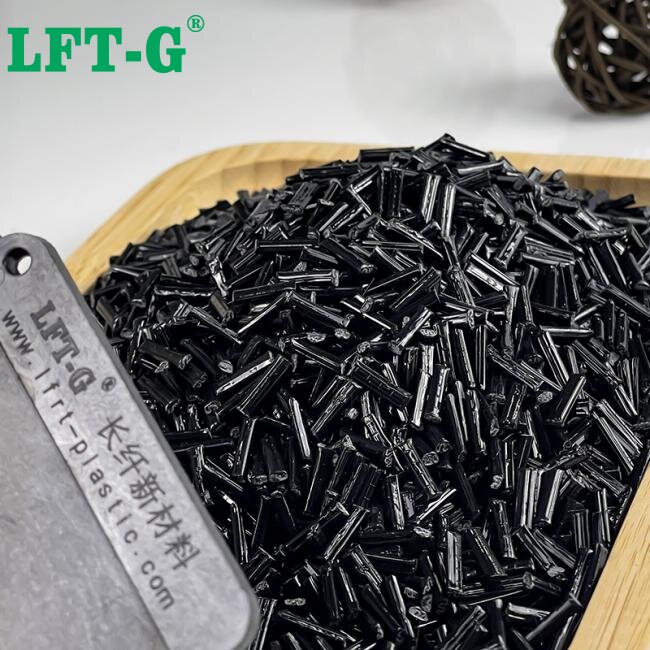
نايلون 12 مقوى بألياف الكربون
2. مواد النواة الرغوية: "الهيكل العظمي غير المرئي" داخل الهياكل المركبة متعددة الطبقات
إلى جانب "الهيكل العظمي" المصنوع من مركبات ألياف الكربون في الطائرات منخفضة الارتفاع، تعمل مواد النواة الرغوية كـ"دعامة داخلية غير مرئية" لا غنى عنها داخل الهياكل متعددة الطبقات. وتكمن قيمتها الأساسية في توفير صلابة نوعية عالية للغاية ومقاومة للانبعاج للطبقات الخارجية المركبة مع الحفاظ على وزن منخفض جدًا، مما يحقق كفاءة هيكلية حيث "1+1>2".
حاليًا، تتبع مواد النواة الرغوية المستخدمة في الطائرات منخفضة الارتفاع مشهدًا ثنائي المواد يهيمن عليه رغوة PMI ورغوة PVC، حيث تخدم كل منهما متطلبات مختلفة من حيث الأداء والتكلفة.
رغوة PMI (رغوة بولي ميثاكريليميد) هي مادة نواة أساسية مصممة لتلبية المتطلبات المشتركة للخفة الشديدة والصلابة الهيكلية والمقاومة الحرارية وأداء مقاومة اللهب. ويتمثل دورها الأساسي في تمكين تصنيع هياكل مركبة كبيرة الحجم ومتكاملة متعددة الطبقات، بما في ذلك الأجنحة وأجزاء جسم الطائرة وشفرات الدوارات. وبفضل بنيتها الدقيقة ذات الخلايا المغلقة واستقرارها الحراري الطبيعي، توفر رغوة PMI حاجز أمان سلبيًا يساعد على مقاومة اختراق الحرارة مع الحفاظ على سلامة الهيكل في ظروف درجات الحرارة المرتفعة.
في قطاع eVTOL، أصبحت مواد نواة رغوة PMI الخيار السائد للتطبيقات عالية الأداء. وقد طورت Evonik رغوة ROHACELL PMI، المعروفة بخصائصها فائقة الخفة وقوتها الميكانيكية العالية، وتم تطبيقها بالفعل في تصميم المكونات الهيكلية الحيوية لطائرات eVTOL. وتشير توقعات الصناعة إلى أن طائرة eVTOL واحدة قد تحتاج إلى ما يصل إلى 50 كغ من مواد نواة رغوة PMI. وبلغت مبيعات سوق رغوة PMI العالمية لطائرات eVTOL نحو 250 مليون دولار أمريكي في عام 2025، ومن المتوقع أن تنمو إلى 707 ملايين دولار أمريكي بحلول عام 2032، بمعدل نمو سنوي مركب (CAGR) يبلغ 16.0%.
من ناحية أخرى، اكتسبت مواد نواة رغوة PVC انتشارًا واسعًا في تطبيقات الطائرات بدون طيار ذات الأجنحة الثابتة بسبب مزاياها من حيث التكلفة. وتتميز رغوة PVC الهيكلية بنسبة عالية من الخلايا المغلقة، وخصائص ميكانيكية ممتازة، ومقاومة للحرارة، ومقاومة للتآكل الكيميائي. وفي مجال eVTOL، تُستخدم نوى رغوة PVC بشكل رئيسي في الهياكل غير الحاملة للأحمال مثل مقصورات الشحن في نماذج طائرات الشحن.
بالإضافة إلى ذلك، تُستخدم مواد مثل رغوة PET ونوى خشب البلسا أيضًا في تطبيقات محددة، لتشكل معًا نظامًا متنوعًا لمواد النواة المستخدمة في الهياكل متعددة الطبقات للطائرات منخفضة الارتفاع.
3. المواد المعدنية: من "الأساس" إلى "الدعم الهيكلي الحاسم"
على الرغم من أن مركبات ألياف الكربون تكتسب حصة متزايدة من التطبيقات في الطائرات منخفضة الارتفاع، فإن المواد المعدنية لم يتم استبدالها بأي حال. بل تواصل لعب أدوار لا يمكن الاستغناء عنها في مجالات محددة تكون فيها القوة والمتانة والموثوقية وقابلية التصنيع ضرورية. وتشكل سبائك الألومنيوم وسبائك التيتانيوم وسبائك المغنيسيوم وسبائك الألومنيوم-الليثيوم معًا نظامًا شاملاً للمواد المعدنية يتيح التصميم خفيف الوزن والأداء العالي والسلامة الهيكلية للطائرات منخفضة الارتفاع.
سبائك الألومنيوم: المواد الأساسية للطائرات منخفضة الارتفاع
بفضل مزايا تشمل الكثافة المنخفضة (نحو 2.7 غ/سم³)، ومقاومة التآكل الممتازة، وقابلية التصنيع الجيدة، تظل سبائك الألومنيوم من بين أكثر المواد الهيكلية استخدامًا.
بفضل مزايا تشمل الكثافة المنخفضة (نحو 2.7 غ/سم³)، ومقاومة التآكل الممتازة، وقابلية التصنيع الجيدة، تظل سبائك الألومنيوم من بين أكثر المواد الهيكلية استخدامًا في الطائرات منخفضة الارتفاع. وفي قطاع eVTOL، تمثل سبائك الألومنيوم المستخدمة في مجال الطيران أكثر من 60% من الوزن الهيكلي لجسم الطائرة، حيث يصل السوق العالمي إلى نحو 1.95 مليار يوان في عام 2026. وتُستخدم سبائك الألومنيوم عالية القوة على نطاق واسع في المناطق المعرضة للأحمال المركزة، بما في ذلك وصلات الأجنحة، ووصلات الذيل، ومعدات الهبوط، وهياكل الدوارات.
وفقًا لبيانات جمعية صناعة المعادن غير الحديدية الصينية، زاد الطلب على الألومنيوم من قطاع الطائرات بدون طيار بنسبة 40% على أساس سنوي في عام 2025. وتعتمد السيارة الطائرة GOVY AirCab التي طورتها GAC Group على إطار من سبائك الألومنيوم المستخدمة في مجال الطيران. وبالإضافة إلى هياكل الطائرات، تُستخدم سبائك الألومنيوم أيضًا على نطاق واسع في إنشاء مدارج خفيفة الوزن وأبراج تحكم ذكية لمنشآت الإقلاع والهبوط منخفضة الارتفاع.
تعمل سبائك التيتانيوم بمثابة "المفاصل والمكونات الحيوية" للطائرات.
بفضل نسبة القوة إلى الوزن الممتازة، ومقاومة درجات الحرارة العالية، ومقاومة التآكل، تُستخدم سبائك التيتانيوم على نطاق واسع في المكونات الرئيسية الحاملة للأحمال مثل محركات الطائرات ومعدات الهبوط، حيث تمثل حوالي 15%–20% من الوزن الهيكلي لطائرات eVTOL. وقد حسّنت أحدث تصميمات أقراص الشفرات المصنوعة من سبائك التيتانيوم المزدوجة كفاءة نظام الدفع بنسبة 15%–20% مع إطالة عمر التعب بنسبة 40%.
تُعد سبائك المغنيسيوم «البطل الخفي» في منافسة تخفيف الوزن.
بكثافة لا تتجاوز حوالي ثلثي كثافة سبائك الألومنيوم، توفر سبائك المغنيسيوم مزايا استثنائية في خفة الوزن. ومن خلال تقليل وزن الطائرات بشكل كبير، يمكن لسبائك المغنيسيوم تحسين مدى الطيران وسعة الحمولة، مما يسرّع اعتمادها في اقتصاد الارتفاعات المنخفضة.
في تطبيقات eVTOL، تتحول مكونات مثل الأذرع المدمجة، وأغلفة البطاريات، وأغلفة المحركات تدريجيًا من الألومنيوم إلى هياكل مصبوبة بالقالب من سبائك المغنيسيوم على نطاق واسع، مما قد يقلل الوزن الإجمالي للطائرة بأكثر من 30%. وتصبح سبائك المغنيسيوم-الليثيوم، التي تبلغ كثافتها حوالي نصف كثافة سبائك الألومنيوم، حلاً رئيسيًا للطائرات المتقدمة التي تسعى إلى تحسين كل من القدرة على التحمل وسعة الحمولة، خاصة مع استمرار ارتفاع متطلبات تخفيف الوزن المستقبلية.
تمثل سبائك الألومنيوم-الليثيوم اتجاهًا متقدمًا لتحقيق مزيج من القوة والأداء الخفيف الوزن.
تُستخدم سبائك الألومنيوم-الليثيوم بشكل أساسي في الهياكل الرئيسية الحاملة للأحمال مثل عوارض الأجنحة وإطارات هياكل الطائرات، ويمكنها تقليل الوزن بنسبة تقارب 8%–10% مقارنة بسبائك الألومنيوم التقليدية مع الحفاظ على القوة الهيكلية.
مع تسارع تسويق طائرات eVTOL والإنتاج الضخم لها، من المتوقع أن يشهد الطلب على سبائك الألومنيوم المستخدمة في صناعة الطيران، وسبائك التيتانيوم، والسبائك عالية الحرارة القائمة على النيكل نموًا متزامنًا من حيث الحجم والقيمة خلال النصف الثاني من عام 2026.
4. اللدائن الهندسية الخاصة ومواد الأراميد: «الأدوار الداعمة» التي لا غنى عنها
تلعب اللدائن الهندسية الخاصة أيضًا دورًا أساسيًا في تطوير الطائرات منخفضة الارتفاع. فقد حققت مواد النايلون عالية الأداء، ومواد البوليستر المقاومة للهب، والمواد المركبة المتصلدة بالحرارة تطبيقات إنتاج ضخمة بالفعل في الطائرات المسيرة الاستهلاكية، والطائرات المسيرة الزراعية، وغيرها من السيناريوهات التجارية.
استحوذت مواد البولي إيثر إيثر كيتون (PEEK) على اهتمام كبير بفضل مزيجها المتميز من خصائص خفة الوزن، ومقاومة درجات الحرارة العالية، ومقاومة اللهب، ومقاومة التآكل، والأداء الميكانيكي الممتاز. وقد تم تطبيق PEEK في مختلف مكونات الطائرات، بما في ذلك أغطية العجلات، والإنسيابيات، وإطارات المقاعد، ودفاعات أنظمة التحكم البيئي، ومثبتات الأجنحة. وفي هياكل الطائرات المسيرة ومكونات هياكل المركبات الطائرة، تُظهر PEEK مزايا كبيرة كمادة بديلة للمعادن.
تشهد المواد المركبة اللدنة حراريًا القائمة على البولي أميد المعدل (PA)، والبولي إيثر إيثر كيتون (PEEK)، وغيرها من البوليمرات عالية الأداء اعتمادًا متزايدًا في المكونات الحاملة للأحمال وأجزاء الوصلات الهيكلية، مدفوعة بالطلب على حلول تصنيع خفيفة الوزن ومتكاملة وفعالة من حيث التكلفة.
توفر المواد المركبة من ألياف الأراميد متانة ممتازة ومقاومة عالية للصدمات، مما يجعلها مناسبة لتطبيقات مثل الهياكل الثانوية الحاملة للأحمال في المروحيات وجلود أجنحة الطائرات المسيرة. وتوفر قلوب قرص العسل المصنوعة من ورق الأراميد والهياكل الساندويتشية مزيجًا من التصميم فائق الخفة، والقوة العالية، ومقاومة الصدمات، وتُستخدم على نطاق واسع في مقصورات الطائرات، والقُبب الرادارية، والمكونات الهيكلية.
من خلال اعتماد الهياكل المركبة ذات قلب قرص العسل، يمكن لمصنعي الطائرات تحقيق خفض محلي في الوزن بنسبة تقارب 20% مع تحسين مقاومة التعب وإطالة عمر الخدمة في الوقت نفسه.
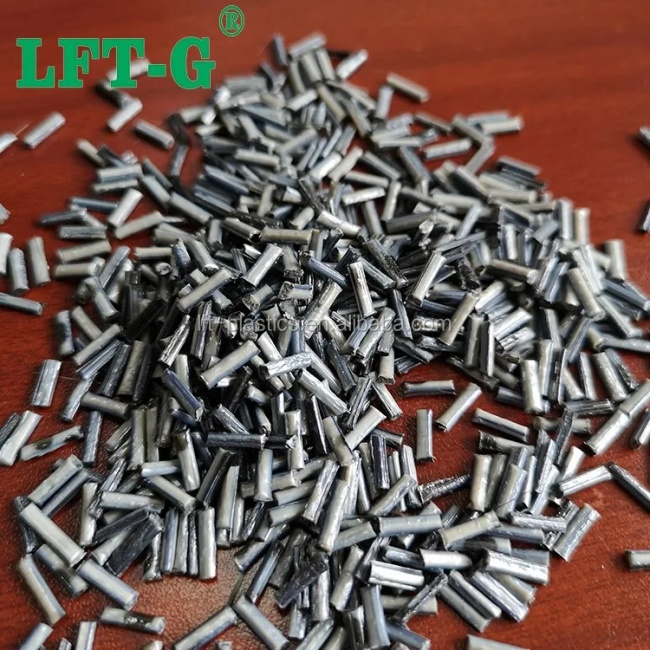
PEEK مقوى بألياف الكربون
لا يعتمد تطوير اقتصاد الارتفاعات المنخفضة على مادة واحدة مثالية، بل على دمج أنظمة متعددة من المواد المتقدمة. توفر المواد المركبة من ألياف الكربون قوة استثنائية مع خفة الوزن، وتحسن القلوب الرغوية الكفاءة الهيكلية، وتضمن المواد المعدنية الموثوقية، بينما تتيح البوليمرات عالية الأداء تصنيعًا خفيف الوزن وفعالًا من حيث التكلفة.
مع توجه طائرات eVTOL والطائرات المسيرة التجارية نحو الإنتاج واسع النطاق، من المتوقع أن تلعب المواد المركبة اللدنة حراريًا المقواة بالألياف الطويلة دورًا متزايد الأهمية بفضل أدائها الميكانيكي الممتاز، ومقاومتها للصدمات، ومرونتها التصميمية، وملاءمتها للتصنيع الفعال.
سيتشكل مستقبل التنقل منخفض الارتفاع ليس فقط من خلال تصميمات الطائرات المبتكرة، بل أيضًا من خلال الاختراقات المستمرة في المواد المتقدمة — مما يؤدي إلى إنشاء طائرات أخف وزنًا، وأكثر أمانًا، وأكثر كفاءة، وجاهزة للتسويق التجاري.



 البريد الإلكتروني
 العربية
 English
 français
 Deutsch
 русский
 italiano
 español
 português
 日本語
日本語 한국의
한국의 中文
中文