مدونة جديدة
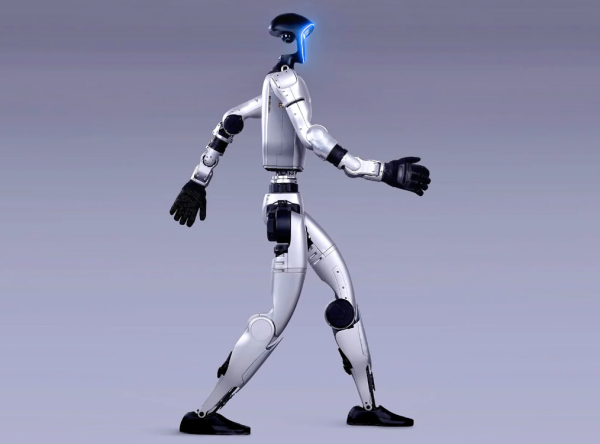
يمكن أن يحتوي الروبوت الشبيه بالبشر على مئات المكونات الهيكلية ومكونات نقل الحركة. وفي مختلف أنحاء الصناعة، يظهر خطآن في اختيار المواد بشكل متكرر—وكلاهما قد يكون مكلفاً:
التوفير في المواد المتخصصة عندما تكون هناك حاجة فعلية إليها
—على سبيل المثال، استخدام PA66-GF30 لدعامة بالقرب من محرك يمكن أن يؤدي إلى تشوه زحفي، وتغيرات في الأبعاد، وانحراف في الموضع تحت التعرض الطويل لدرجات حرارة عالية.
استخدام مواد متخصصة حيث لا تكون ضرورية في الواقع
—على سبيل المثال، استخدام PEEK لهيكل لا يتحمل أحمالاً. أداء المادة مبالغ فيه بالنسبة للتطبيق، بينما يمكن أن ترتفع تكلفة قائمة المواد (BOM) بشكل كبير.
PPA (بولي فثالاميد)، المعروف باسم النايلون عالي الحرارة، يقع تماماً بين هذين النقيضين. فهو ليس مجرد "نايلون أغلى ثمناً" ولا "PEEK أرخص". بل له موقعه المحدد بوضوح في اختيار المواد.
توضح هذه المقالة بالضبط أين يتناسب PPA: أي المكونات تعد مناسبة لـ PPA، وأين سيكون استخدامه بمثابة مواصفات مبالغ فيها، بالإضافة إلى نافذة المعالجة ومتطلبات التحقق الرئيسية الخاصة به.
PPA هو بولي أميد شبه عطري. على عكس النايلون التقليدي مثل PA6 وPA66، التي تحتوي في الغالب على سلاسل جزيئية أليفاتية، يدمج PPA شرائح حمض ثنائي عطري، مثل حمض التيريفثاليك وحمض الإيزوفثاليك.
تؤدي حلقات البنزين الصلبة والكثافة المنخفضة للمجموعات القطبية إلى ثلاثة تغييرات متزامنة:
| الخاصية | PA66 | PPA-LGF | الاتجاه |
|---|---|---|---|
| درجة الانصهار | حوالي 260 درجة مئوية | 320–350 درجة مئوية | أعلى بكثير |
| درجة حرارة الخدمة طويلة الأمد | حوالي 100–120 درجة مئوية | 150–180 درجة مئوية | زيادة بمقدار 30–50 درجة مئوية |
| درجة حرارة الانحراف الحراري (HDT) (1.82 ميجا باسكال) | حوالي 240–250 درجة مئوية | 308 درجة مئوية | زيادة |
| امتصاص الماء عند التوازن (23 درجة مئوية / 50% رطوبة نسبية) | حوالي 2% | حوالي 0.3% | انخفاض إلى حوالي الربع |
| محتوى الرطوبة قبل المعالجة | ≤0.20% | ≤0.01% | متطلبات أكثر صرامة بكثير |
بناءً على ظروف التشغيل، يوفر PPA أربعة مجالات تطبيق رئيسية ذات قيمة عالية:
تتراوح درجة حرارة التشغيل المستمرة حول المحركات عادةً بين 80 و120 درجة مئوية. يمكن أن تتعرض النايلونات المقواة التقليدية للزحف والانحراف البُعدي أثناء التشغيل طويل الأمد في نطاق درجة الحرارة هذا، بينما تؤثر دقة تحديد موضع كتائف المستشعرات بشكل مباشر على نتائج المعايرة.
بفضل درجة حرارة انحراف الحرارة (HDT) العالية وانخفاض امتصاص الماء، يُعد PPA خياراً مناسباً للمواد لهذه التطبيقات.
أحد أكثر تطبيقات PPA رسوخاً هو موصلات SMT. يجب أن تتحمل المادة لحام إعادة التدفق الخالي من الرصاص، حيث يمكن أن تصل درجات الحرارة القصوى إلى حوالي 260 درجة مئوية، دون تقشر أو تشوه. بعد اللحام، يجب أن تحافظ أيضاً على تباعد تلامس مستقر في البيئات الرطبة.
تنطبق نفس المتطلبات على الموصلات، والموصلات عالية الجهد، ومكونات دعم لوحات الدوائر المطبوعة (PCB) داخل حجرة التحكم الإلكتروني للروبوت.
كان هذا أحد أسرع مجالات تطبيق PPA نمواً في السنوات الأخيرة.PPA المقوى بالألياف الزجاجية الطويلةيمكن أن تصل إلى مستويات قوة شد تزيد عن240 MPa، بكثافة تقريبية تبلغ1.56 g/cm³، مما يجعلها أخف بنحو 40% من الألمنيوم بناءً على مقارنة الكثافة.
القيمة الأساسية ليست مجرد القوة المطلقة، بل سلسلة الفوائد التي تأتي من تقليل الوزن، وبالتالي تقليل الحمل على المحرك.
عادةً ما يكون لمشغلات اليد البارعة أشواط قصيرة، وترددات ترددية عالية، ومتطلبات خلوص ضيقة. وهذا يضع متطلبات متزامنة على مقاومة التآكل وثبات الأبعاد.
بالنسبة لهذه المكونات، يجب أن يستخدم اختيار الموادالحفاظ على الأبعاد بعد دورات ترددية متكررةكمعيار تقييم رئيسي، بدلاً من الاعتماد فقط على خصائص المادة الأولية.
هذا هو المكان الذي يُساء فيه استخدام PPA بسهولة أكبر. توفر PPA المقواة قوة وصلابة عاليتين، لكنها لا تمتلك خصائص تشحيم ذاتي متأصلة. مقاومتها للتآكل ومعامل الاحتكاك الخاص بها أقل ملاءمة بشكل عام من تلك الخاصة بـ PEEK أو POM.
إذا تم اختيار PPA لأزواج الاحتكاك داخل مفصل - مثل المحامل، أو أسطح تعشيق التروس، أو الجلب - بناءً على افتراض بسيط بأن "القوة كافية"، فقد يحدث تآكل وزيادة في الخلوص بسرعة نسبية.
تعتبر أنظمة PEEK أو PEEK+PTFE أفضل لواجهات الاحتكاك، بينما يمكن التفكير في POM للمكونات ذات الأحمال الخفيفة والضوضاء المنخفضة. ينتمي PPA إلى الهياكل الحاملة للأحمال، وليس إلى واجهة الاحتكاك.
يتمتع PPA بمعدل امتصاص ماء أقل بكثير من PA66، لكنه ليس مقاومًا للرطوبة. يتوافق معدل امتصاص الماء بنسبة 0.3–0.5% مع تغير في الأبعاد يبلغ حوالي 0.15–0.25 مم على مدى 50 مم (تقدير هندسي، بافتراض تغير أبعاد متناسب).
بالنسبة لتطبيقات مثل مكونات تزاوج المفاصل ومسافات مراكز التروس، يمكن أن يكون هذا المستوى من تغير الأبعاد كافيًا لاستهلاك خلوص التجميع المتاح.
يمكن أن تكون فجوة السعر بين PEEK و PPA عدة أضعاف. منطق توفير التكلفة في الاختيار المتدرج للمواد هو حجز PEEK للتطبيقات التي يكون فيها ضروريًا حقًا، بدلاً من استبداله في جميع المجالات.
يتمتع PPA بنطاق معالجة أضيق بكثير من PA66. حتى مع نفس الدرجة، يمكن أن تؤدي ظروف المعالجة المختلفة إلى أجزاء ذات أداء مختلف بشكل كبير.
| العملية | اتجاه التحكم | عواقب ضعف التحكم |
|---|---|---|
| التجفيف | التجفيف بإزالة الرطوبة ضروري. يجب تقليل محتوى الرطوبة إلى مستوى منخفض جدًا، وهو أكثر صرامة بكثير مما هو عليه بالنسبة لـ PA66، مع نقطة ندى تبلغ حوالي −40°C. | انقسام السلسلة بالتحلل المائي عند درجات حرارة عالية ← أجزاء هشة، وخطوط فضية، وفقاعات |
| درجة حرارة الانصهار | أعلى من تلك الخاصة بالنايلون التقليدي؛ يتم ضبطها وفقًا لنظام المادة المحدد ولا تتجاوز الحد الأعلى الموصى به. | منخفضة جدًا ← تلدين غير كافٍ؛ عالية جدًا ← تحلل حراري تأكسدي وتغير في اللون |
| وقت البقاء | اجعله قصيرًا قدر الإمكان، مع التحكم على مقياس الدقائق. | انخفاض الوزن الجزيئي وبقع سوداء |
| درجة حرارة القالب | درجة حرارة القالب العالية شرط أساسي، خاصة للمكونات الدقيقة. | درجة حرارة القالب المنخفضة ← تبلور غير كافٍ ← انكماش لاحق، وتقوس، وانحراف في الأبعاد، وضعف في لمعان السطح |
| ضغط التثبيت | حافظ عليه ضمن النطاق المتوسط المناسب وفقًا لسمك الجدار وتجنب الضغط الزائد. | عالية جدًا ← إجهاد متبقي؛ منخفضة جدًا ← علامات انكماش وفراغات |
| التلدين | يوصى بتلدين تخفيف الإجهاد بعد التشكيل للمكونات الدقيقة. | إجهاد داخلي متبقي ← تشوه تدريجي بعد التجميع |
| المادة المعاد طحنها | تحكم في نسبة المادة المعاد طحنها وجفف المادة جيداً مرة أخرى قبل المعالجة. | انخفاض تراكمي في الوزن الجزيئي؛ لا يُنصح به للمكونات ذات الموثوقية الحرجة |
بالنسبة للمواد شبه البلورية، تتأثر البلورية بشدة بدرجة حرارة القالب. قد يبدو الجزء المصبوب عند درجة حرارة قالب منخفضة جداً بحالة جيدة بعد إخراجه من القالب، ولكن أبعاده قد تستمر في التغير بعد التجميع.
العديد من الشكاوى حول "عدم استقرار أبعاد PPA" تنشأ في الواقع من عدم كفاية درجة حرارة القالب بدلاً من تباين دفعات المواد.
بعد التدعيم بألياف الزجاج أو ألياف الكربون، يمكن أن يصبح الفرق في الانكماش بين اتجاه التدفق والاتجاه العرضي كبيراً. كما يتأثر اتجاه الألياف بموقع البوابة ومعدل القص.
بالنسبة لهذه المكونات، يجب إجراء تحليل لتدفق القالب ودمج تعويض الانكماش المناسب في تصميم القالب.قد لا يكون مجرد تعديل معايير القولبة كافياً لإعادة الجزء ضمن نطاق التفاوت المسموح به.
علامات :
تابعنا :


-- الحصول على التحديثات مع أحدث المواضيع

 البريد الإلكتروني
 العربية
 English
 français
 Deutsch
 русский
 italiano
 español
 português
 日本語
日本語 한국의
한국의 中文
中文